The rent didn’t come in. You called, you texted, and now it’s day ten. Every landlord I talk to is angry and worried at the same time, and the worry is justified.
In Washington, one small mistake in the notice can force you to start over. I’m Navid Hosseini, and I help Eastside landlords handle this the right way. Here’s the notice you must serve, the mistakes that sink eviction cases, and what happens after the 14 days.
What Notice Must a Washington Landlord Serve When a Tenant Stops Paying Rent?
You can’t skip straight to court, and you can’t change the locks. Washington requires a written notice first, and the notice has rules of its own. Washington’s just cause rules apply statewide, so nonpayment is a valid reason, but only if you follow the process. Seattle’s city rules don’t automatically apply to you in Bellevue, though the state process does.
What Is the 14 Day Pay or Vacate Notice, and Why Must It Use the Statutory Form?
For unpaid rent, the notice is a 14 day notice to pay rent or vacate the premises. It gives the tenant 14 days to pay what’s owed or move out. Washington law, under RCW 59.18.057, sets out the form the notice has to follow, including the information it must contain about rental assistance resources and the landlord’s payment details.
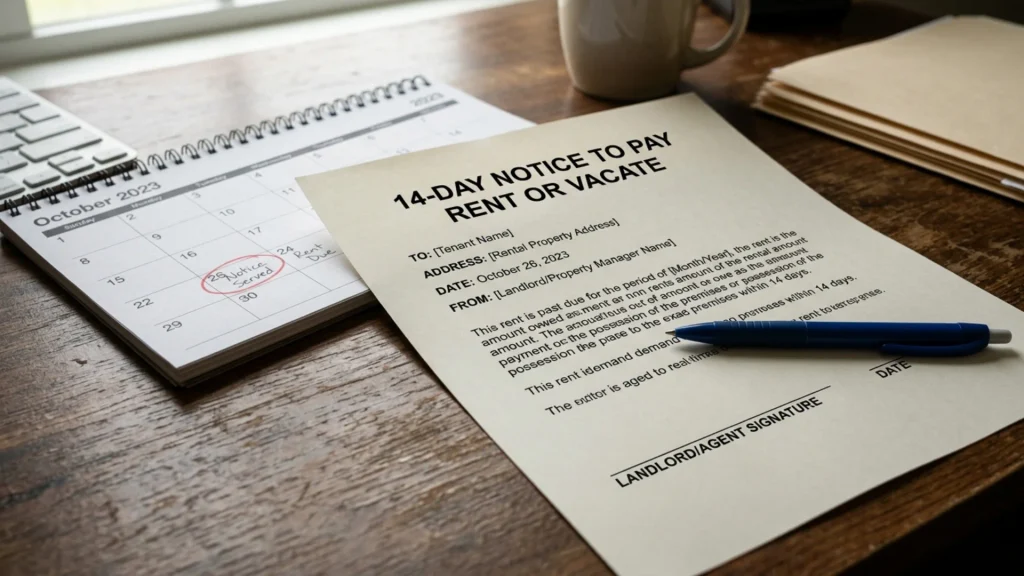
That’s why a generic notice from a template site isn’t enough. The statutory form exists so tenants understand their options, and courts expect landlords to use it. If your notice leaves out required language, the court can treat it as defective. I check three things on every notice: that it uses the current statutory wording, that the amount demanded is correct, and that the payment instructions are clear. A tenant’s lawyer will check the same three.
How Are the 14 Days Counted, and How Must You Serve the Notice?
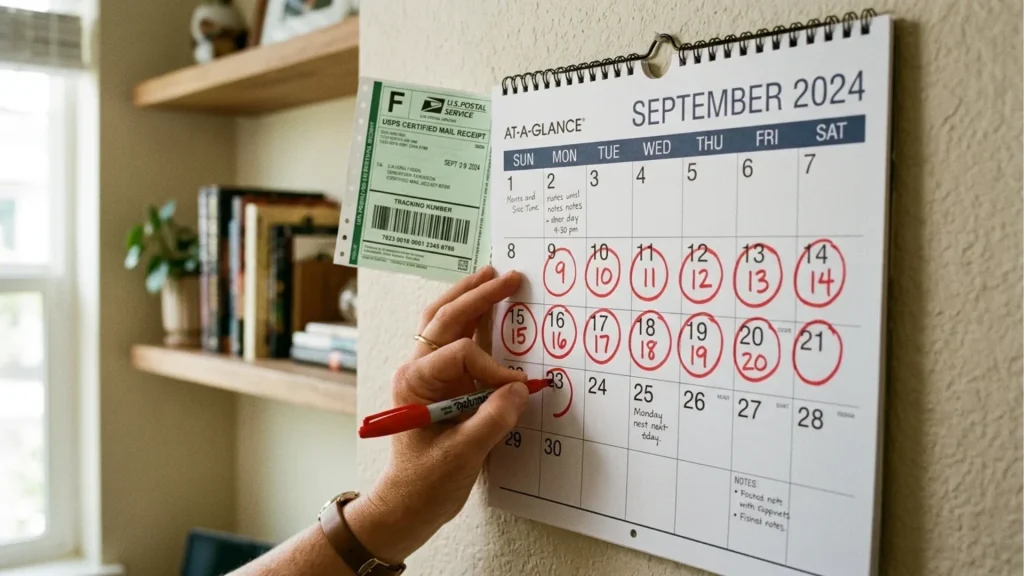
The count has its own rules. The day you serve the notice generally doesn’t count, and the last day is included, but weekends and legal holidays are treated specially. I count it on a calendar and again before I tell a client when they can file. Don’t guess, because filing one day early is another way to lose a case.
Service matters just as much. The law allows several methods, such as personal delivery, or leaving the notice with a person of suitable age and sending a copy by mail, or posting it and mailing it when the tenant can’t be found. Whichever you use, keep proof: who served it, when and how. A notice that was never properly delivered can be treated as if it was never sent, and then your 14 days haven’t started. When landlords come to me with a notice already served, this is the first thing I verify.
What Notice Mistakes Get a Washington Eviction Case Dismissed, Forcing Landlords to Start Over?
Most dismissed cases weren’t lost on the big facts. The tenant really didn’t pay. They were lost on paperwork, and the landlord had to restart the process, which meant another month or more of lost rent.
Can a Wrong Amount, Missing Language or Bad Delivery Restart the Eviction Clock?
Yes, all three. If the notice demands the wrong amount, for example by including charges that aren’t rent, the court can find the notice defective. If it’s missing required statutory language, same result. And if the delivery wasn’t done right, or can’t be proven, the notice may not count at all.
Other mistakes I see: serving the notice before rent is actually late, mixing nonpayment with other complaints in the same notice, filing before the 14 days have fully passed, and accepting partial payment without understanding what it does to the case. That last one catches many landlords. Taking money after serving the notice can complicate the case depending on how it’s handled. Before you accept anything, call me. A short conversation can save the whole case. Our real estate law page explains how we handle landlord matters, and landlords in nearby cities can also see our Kirkland real estate law page.
Which Late Fees and Charges Can You Include in a Pay or Vacate Notice?
Treat this with care. A nonpayment notice should demand unpaid rent, and charges that aren’t rent can cause trouble. Late fees, utilities billed separately, repair charges and legal fees all raise questions, and recent changes to Washington’s landlord-tenant law have added limits, including on late fees and on rent increases. If a charge isn’t clearly rent, I don’t include it in the notice unless I’ve checked the lease and the statute.
When a landlord adds a questionable fee, the tenant gets an argument that the notice demanded too much. And a notice that demands too much can be thrown out, even if most of the amount was owed. My rule is simple: demand only what you can prove is rent, and pursue other charges separately. Keep the ledger clean, show each month’s amount, and don’t round up. A clear ledger helps your case and makes settlement talks easier.
Before you serve any notice, gather your paper. You’ll want the signed lease, the rent ledger showing what’s owed and for which months, proof of any payments received, and any messages with the tenant about the late rent. Check that the lease is in the name of the person you’re serving, and that you know everyone who lives in the unit. Gaps here cause delays later. I also ask landlords to hold off on emotional texts while the process is underway, because angry messages can end up in front of a judge. Calm, written, factual communication protects you.
What Happens After the 14 Days Pass, and How Long Does an Uncontested Eviction Take?
The 14 days end, and nothing has changed. What now? There’s a process, and it runs through the court. Uncontested cases often take several weeks, and contested ones can take months.
How Does an Unlawful Detainer Case Work in King County Superior Court, Including the Tenant’s Right to Pay?
If the tenant doesn’t pay or leave, you can file an unlawful detainer action in superior court, and the tenant is served with a summons and complaint. Washington gives tenants a right to cure: paying the full amount owed within the notice period stops an eviction based on that nonpayment. That’s why accuracy matters. If you demanded the right amount and they pay it, the case is over, and that’s a good outcome.
If they don’t, the court sets a hearing. The tenant can appear and raise defenses, including that the notice was defective. If you’ve done everything correctly, the judge can order a writ of restitution, which authorizes the sheriff, not you, to remove the tenant. Typical uncontested timelines are measured in weeks. Contested cases take longer, especially if the tenant has an attorney or raises procedural defenses. Having your paperwork right from the start is the best way to stay on the short end of that range.
Why Does Self-Help Eviction Backfire on a Bellevue Landlord?
Because it’s illegal and expensive. Changing the locks, removing belongings, shutting off utilities or threatening the tenant can expose you to liability, even if the tenant owes thousands. Courts take a dim view of landlords who skip the process, and a tenant who was locked out improperly can turn into a plaintiff.
I understand the temptation. Watching a property go unpaid while the process drags is painful. But the fastest legal route is the correct one. Serve a proper notice, file on time, and let the court enforce it. Our guide to real estate law for investors in Bellevue covers how to set up leases and records so the next problem is easier to handle.

If the tenant does move out, don’t forget the last steps. Washington has deadlines for handling the deposit, and you’ll need an itemized statement if you keep any part of it. Photograph the unit, document the condition and keep receipts for repairs. A landlord who handles the exit carefully avoids a second dispute that can cost as much as the first. If you own property in nearby cities, our Redmond and Sammamish pages show where else we serve landlords and property owners.
Keep every document from the case for at least a few years. Landlord disputes sometimes resurface as deposit claims or damage claims, and your file is your best defense.
Should You Talk to a Landlord Attorney Before Serving a 14 Day Notice for Unpaid Rent in Washington?
A tenant who stops paying puts you under pressure, and the pressure makes landlords rush. Rushing is how notices go wrong. The calm approach is to serve the correct notice, count the days carefully, keep clean records and file only when you’re sure.
Before you serve anything, book a consultation. Bring your lease, your rent ledger, any texts or emails with the tenant and a copy of any notice already served. I’ll check the notice, the amount and the timing, and tell you your next steps. A short meeting now is cheaper than restarting later.
Dealing with unpaid rent? Book a consultation with Hosseini Law Office before you serve any notice. Call (425) 943-1746, Monday to Friday, 9am to 6pm.